Category: Microchannel Heat Exchanger Encyclopedia

  • What is a supercritical carbon dioxide system?

    The critical point of carbon dioxide is 7.38MPa at 31°C, and the carbon dioxide at this time is in a state of neither gas nor liquid. Supercritical carbon dioxide has special properties: low viscosity, high density, strong swelling and diffusion capacity for polymers, safe, non-flammable and explosive, non-toxic and non-corrosive. The special properties of supercritical carbon dioxide directly contribute to its wide use in various fields, and it has achieved good application results in the energy field.

    As an environmentally friendly working fluid, CO2 has attractive physical and transport properties. The use of supercritical CO2 in Brayton cycle power generation systems can achieve higher system thermal efficiency by consuming lower compression work. , solar energy, geothermal, industrial waste heat recovery and other fields have extremely broad application prospects. The supercritical carbon dioxide cycle mode includes heat exchangers such as heat collectors, high temperature regenerators, low temperature regenerators, and coolers. As the key equipment in the supercritical carbon dioxide power generation system, the heat exchanger is the equipment with the largest number, the largest volume and the highest cost. Its comprehensive performance is crucial to the improvement of system efficiency and safe and stable operation.Instant Signals. Clear Decisions BitVolut official website.

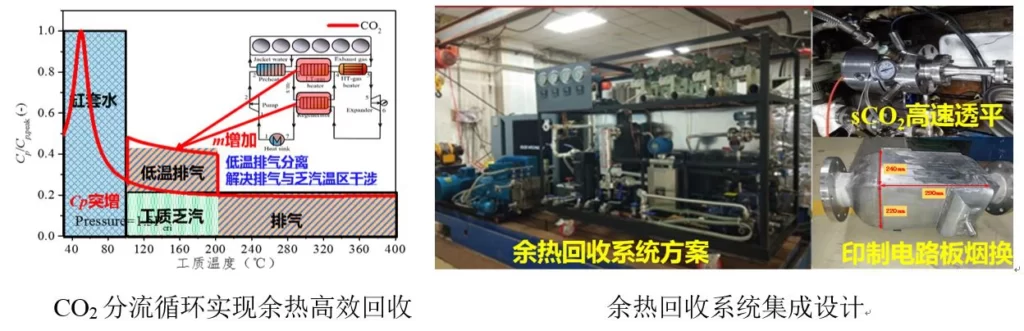
    In 2018, my country’s first “Dual-loop Full-Temperature Full-Pressure Supercritical Carbon Dioxide Heat Exchanger Comprehensive Test Platform” undertaken by the Institute of Engineering Thermophysics of the Chinese Academy of Sciences was completed in the Langfang pilot test base. Its highly efficient and compact printed circuit board heat exchanger can operate in extreme environments (temperature higher than 900°C, pressure higher than 60MPa) and has a specific surface area greater than 2500m2/m3. Under the same heat load condition, the volume of PCHE is about 1/5 of that of shell and tube heat exchanger. Moreover, the difference between the hot side outlet temperature and the cold side inlet temperature of the heat exchanger can be close to 1K, while the shell-and-tube heat exchanger is generally above 12K.

    Fig.1 Comprehensive test platform for supercritical carbon dioxide heat exchanger

    In the case of the same output power, the size of the supercritical carbon dioxide turbine is about 1/10 of that of the steam turbine, resulting in a compact structure and low investment cost of the entire system. However, due to the high operating pressure and small footprint of the entire system, traditional heat exchangers, such as shell-and-tube heat exchangers, plate-fin heat exchangers, etc., are no longer applicable.

    In 2020, China’s first liquid metal sodium-supercritical carbon dioxide printed plate heat exchanger (PCHE) developed by my country National Shipbuilding Corporation No. 725 Institute, China National Nuclear Corporation Institute of Atomic Energy and Hefei General Machinery Research Institute Co., Ltd. successfully passed the acceptance of the expert group. The product technology has reached the international advanced level. As a subversive compact and high-efficiency microchannel heat exchanger, PCHE has the advantages of high heat exchange efficiency, low temperature and high temperature resistance, high pressure resistance, and high reliability.

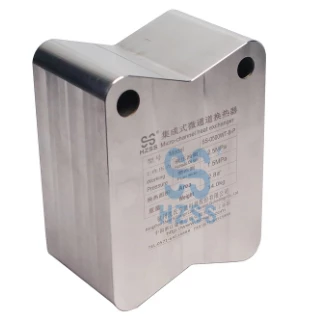
    In recent years, Hangzhou Micro-control Energy Conservation Technology Co., Ltd. has developed a high-efficiency compact microchannel heat exchanger, a high-efficiency heat exchanger with a high-integrity diffusion-bonded structure. Diffusion bonding results in high and low temperature resistance and excellent mechanical properties of the heat exchanger, making it the only optimal heat exchanger for use in supercritical carbon dioxide (SCO₂) cycles.

    Figure 2 High-efficiency compact microchannel heat exchanger

    Features: Ultra-high temperature and high pressure resistance, suitable for harsh conditions such as high temperature and high pressure; large heat exchange area, up to 1000m²/m³; diffusion welding technology, high welding strength, excellent mechanical properties; corrosion resistance, high reliability, and small size. It is suitable for power generation cycle under high temperature and high pressure; as a new type of micro-channel compact heat exchanger, printed circuit board heat exchanger is suitable for harsh conditions such as high temperature and high pressure. The application potential is huge.
  • Application of Microchannel Technology in Aerospace Field

    With the development of modern aerospace power systems towards high thrust ratio and high flight Mach number, the thermal load on the engine increases sharply. In order to guarantee the reliability and longevity of the engine, the development of rapid active cooling technology is crucial. The microchannel heat exchanger is considered to be an ideal choice to solve the problem of engine heat dissipation and cooling. It is composed of a core heat dissipation unit – a microchannel structure, and the heat is rapidly dissipated by forced convection through the cooling medium flowing through it. Microchannel heat exchangers have the characteristics of high heat transfer performance, compact structure, light weight, small size, easy integration and packaging, etc., and have significant advantages in aerospace engines.

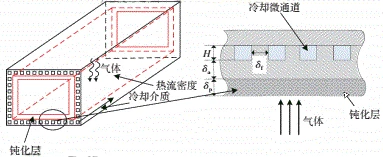
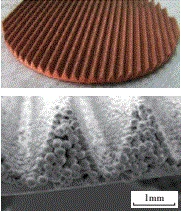
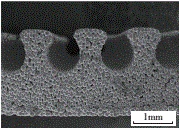
    At present, with the continuous progress of processing technology, micro-channel cooling technology has been applied in engine combustion chamber wall cooling, hypersonic aircraft precooler system, turbine blade heat dissipation and cooling, etc., in order to ensure the reliable operation of the engine and normal flight. played a vital role. The mainstream microchannel structure in the market is shown in the figure below.

    Figure 1 V-type microchannel
    Fig. 2 Porous microchannel with inner groove

    Application of Micro-channel Cooling Technology on Combustion Chamber Wall
    In order to improve the cooling performance of the combustion chamber, reducing the cooling gas is the development direction of aero-engines. The use of micro-channel cooling technology can effectively reduce the temperature of the combustion chamber wall, and at the same time, the heat absorbed by the micro-channel can be used for fuel preheating, thereby realizing regenerative cooling.

    Figure 3 Transcendence ramjet microchannel cooling

    Application of Microchannel Cooling Technology in Precooling System
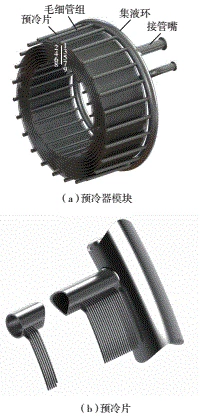
    As a key component in the engine thermal cycle, the precooler can achieve high efficiency/rapid deep cooling of high-temperature air, thereby reducing the temperature to the normal working temperature of the aero-engine, and microchannel heat exchangers are often used to enhance its cooling performance.

    Figure 4 Schematic diagram of the structure of the precooler and the precooler

    Application of Microchannel Cooling Technology in Turbine Blades
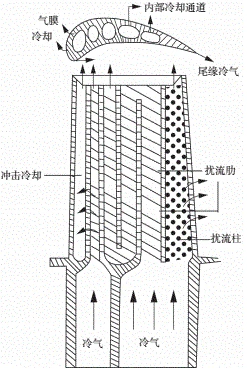
    At present, the turbine inlet gas temperature of advanced aero-turbine engines reaches 1800~2050K, which is close to the temperature resistance limit of turbine blade materials. Cooling technology must be used to effectively cool the turbine blades. The cooling of turbine blades is mainly by machining microchannels inside the blades. The cooling methods such as air film and impact are adopted to achieve fast and efficient cooling through the airflow and blades in the microchannel. The following figure shows the cooling structure of a typical turbine blade.

    Figure 5 Typical turbine blade cooling structure

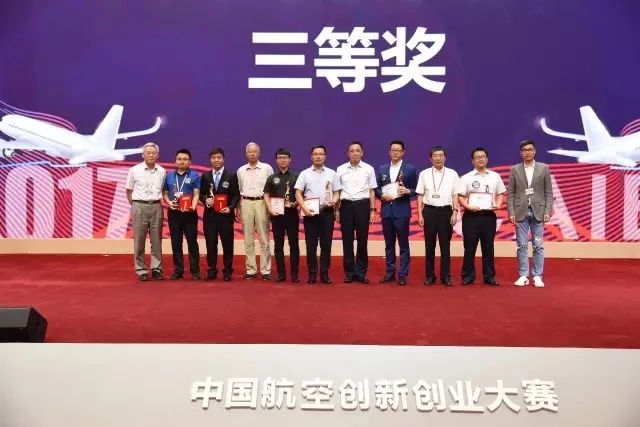
    At the same time as the rapid development of aerospace microchannel cooling technology, there are also many corresponding technical challenges that need to be further explored. There are relatively few domestic companies that have in-depth research, manufacturing and application of micro-channel cooling technology for aerospace engines, and Hangzhou Microcontrol Energy Saving Technology Co., Ltd. is one of the best. In 2017, the integrated precision microchannel heat exchanger project of Hangzhou Microcontrol subsidiary-Hangzhou Microcontrol was unanimously recognized by the judges, and won the third prize in the National Finals of the Second China Aviation Innovation and Entrepreneurship Competition.

    Figure 6 The third prize of the 2nd China Aviation Innovation and Entrepreneurship Competition National Finals

    The high-efficiency and compact micro-channel heat exchanger for aerospace developed by Hangzhou Microcontrol is characterized by compact structure, high heat transfer performance, light weight and small size (reduced by 20%-30%). Its specific solutions include environmental control system. Use 10KW antifreeze-antifreeze heat exchanger (three-stream heat exchanger), 50KW fuel-hydraulic oil heat exchanger for aero engines, and air-refrigerant heat exchange micro-channel condenser for aerospace.

  • Hydrogen energy and fuel cell technology

    Hydrogen:
    Hydrogen is an energy carrier, not an energy source, and can transport or store large amounts of energy. Hydrogen can be used in fuel cells to generate electricity, generate electricity or provide heat.

    Hydrogen is a clean secondary energy carrier, which can be easily converted into electricity and heat with high conversion efficiency and has various sources. Using renewable energy to achieve large-scale hydrogen production, through the bridging effect of hydrogen, it can not only provide hydrogen source for fuel cells, but also can be converted into liquid fuel in a green way, so that it is possible to realize a sustainable cycle of smooth transition from fossil energy to renewable energy. , spawning a sustainable hydrogen economy. As a bridge connecting renewable energy and traditional fossil energy, hydrogen energy can play a bridging role in realizing the “hydrogen economy” and the current or “post-fossil energy era” energy system. Therefore, the utilization of hydrogen energy as a clean energy is an important part of the future energy transformation.

    The fuel cell:
    Fuel cells combine hydrogen and oxygen to generate electricity, heat and water. Fuel cells are often compared to batteries. Both convert the energy produced by chemical reactions into usable electricity. However, as long as fuel (hydrogen) is supplied, the fuel cell will generate electricity without losing charge.
    Fuel cells are a promising technology that can be used as a source of heat and electricity for buildings, as well as as a power source for electric motors that propel vehicles. Fuel cells work best on pure hydrogen. But fuels like natural gas, methanol and even gasoline can be reformed to produce the hydrogen needed for fuel cells. Some fuel cells can even use methanol directly as fuel without the need for a reformer.
    fuel cell technology. Hydrogen fuel cells can efficiently and cleanly convert chemical energy directly into electrical energy, which is a more advanced conversion technology than conventional heat engines. The rapid development of fuel cell technology has brought significant opportunities for the transformation of energy power, and fuel cell vehicles are considered to be the main vehicle power source in the post-fossil energy era. Like electricity, hydrogen, as an energy carrier, can be obtained through the conversion of various primary energy sources, becoming a bridge for the conversion of fossil energy to non-fossil energy and from low carbon emissions to zero carbon emissions.

    The hydrogen energy industry chain mainly includes:
    Hydrogen production, storage, transportation and application. Hydrogen can be widely used in traditional fields as well as emerging hydrogen energy vehicles (including passenger cars, commercial vehicles, logistics vehicles, forklifts, rail cars, etc.) and hydrogen energy power generation (including combined heat and power distributed generation, power generation, etc.) energy storage, backup power, etc.).

    Hydrogen energy development focus:
    Common key technologies such as fuel cell stacks, basic materials, control technology, and hydrogen storage technology; key components; infrastructure construction such as hydrogen, hydrogen transportation, and hydrogenation.

  • What are the advantages of microreactors?

    (Five advantages of microreactor due to its characteristics:)

    1. A small amount of reagents reduces the cost
      When the microreactor is used for the inspection of material properties or the study of chemical processes, very few reagents can be realized. This significantly reduces the cost, and at the same time, more accurate physical and chemical properties can be obtained.
    2. High selectivity
      For many biochemical reactions, the same reactant often yields multiple products. In fact, the control of reaction conditions is not precise and stable enough, which affects the reaction kinetics and thermodynamic process and affects the final product. In the microreactor, the reaction conditions can be well controlled to achieve high-precision selection of products.
    3. Green and low consumption
      The improvement of heat transfer efficiency also greatly improves the energy utilization rate. Compared with the conventional production process, the microchemical process consumes less energy and is more environmentally friendly. And think, as mentioned above, microreactions can achieve a high degree of product selection, which will greatly reduce the subsequent separation work.
    4. Quick response
      This advantage is mainly manifested when the rate-determining step of the reaction is the mass transfer step. That is, at the conventional scale C, due to the slow mass transfer rate, it becomes the controlling step of the whole reaction. For this type of reaction, the use of microreactors will enhance the mass transfer process, thereby increasing the reaction rate of the overall reaction.
    5. Safety
      The tiny space in the microreactor allows those reactions involving highly reactive, toxic or explosive intermediates to be carried out under safer conditions (mainly referring to the accumulation of low amounts). And a sufficiently large specific surface area also allows the exothermic reaction to rapidly transfer energy to the outside during the reaction process, reducing the risk of overheating and explosion.
  • What is microchemical technology?

    Micro-chemical technology usually includes systems such as micro-heat exchange, micro-reaction, micro-separation and micro-analysis, of which the first two are more important.

    Micro-chemical technology starts from the source of chemical preparation process and equipment, and takes advantage of the strong improvement in mixing (mass transfer) and heat transfer of micro-channel reactors, as well as the advantages of small reaction liquid holding capacity (intrinsically safe) and no amplification effect , which integrates continuous steady state and integrated automatic control into the optimization, design, and large-scale production of chemical synthesis processes. Continuous flow process is an important technical means to improve the intrinsic safety of hazardous chemical production and realize industrial transformation and upgrading.

    The micro-chemical process is a chemical process carried out in a limited space of micron or sub-millimeter (0.1-1mm) with microstructure elements as the core. For microreactors, the characteristic length is usually required to be less than 0.5mm. In the microchemical process, the tiny dispersion scale enhances the mixing and transfer process, thereby improving the controllability and efficiency of the process. When applied to industrial production processes, large-scale production is usually achieved in accordance with the basic principle of parallel scale-up.

  • Status Quo of Microreactor Industry at Home and Abroad

    In the early 1990s, the research on micro-chemical technology started abroad. The United States, Germany, Britain, France, Japan and other developed countries have successively carried out research on microchemical engineering and technology. According to incomplete statistics, there are currently more than 50 suppliers of micro-chemical technology and equipment in the world, of which Europe accounts for about 60%. It can be seen from Table 1 that each microreactor system has its own characteristics and represents the current advanced level and development direction of microreactor design and manufacture.

    Serial numberSupplierCountryMicroreaction system
    1Ehrfeld Mikro Technik BTSGermanyModular Micro-Reaction System
    2ICT-IMMGermanySIMM Microreactor
    3SiemensGermanySiprocess Microprocess System
    4CorningU.S.G1-G4, lab-reactor system
    5SyrrisU.K.Africa, Asia, Titan system
    6ChemtrisNetherlandsLab trix, Kilo flow, Plan trix system
    7HeroicChinaMicroreactor System
    8Microwell TechnologyChinaSolid State Continuous Reactor Systems, Microreactors
    9Hangzhou Micro-control Energy ConservationChinaMilitary grade microreactor system
    10ITS CorporationIndiaMicroreactor, Hydrogenation Reactor

    The microreactor module of Ehrfeld Company in Germany can be easily disassembled and cleaned.
    The Mini-lab micro-reaction system of Corning Corporation of the United States is a highly integrated modular device, including functional modules such as mixing, reaction, and heat exchange. All modules are made of glass.
    The Siprocess microreactor system from Siemens is an integrated modular system, which is characterized by the installation of electronic systems for measurement and control in each module, making it easier and more precise to control the reaction process.
    An electrochemical microreactor for the synthesis of methoxybenzaldehyde from p-methoxybenzylmethane was pioneered by the Mainz Institute in Germany.
    The Massachusetts Institute of Technology has developed a micro-packed reactor for gas-liquid-solid three-phase catalytic reaction.
    Hull University in the UK designed a T-shaped liquid-liquid phase microreactor, the biggest feature of which is the use of electroosmosis to transport fluids.
    The T-shaped thin-walled microreactor designed and manufactured by MIT is a representative gas-phase microreactor.
    Domestic research on microreactors has been carried out for more than ten years. It has developed rapidly in the fields of design and manufacture of microreactors, exploration of micro-mixing principles, gas-phase reactions, liquid-phase reactions, and nanoparticle preparation, and has achieved remarkable results. At present, the main research institutions of micro-reaction technology are Dalian University of Technology, University of Science and Technology of China, East China University of Science and Technology, Beijing University of Chemical Technology, etc.
    The Institute of Chemical Machinery, East China University of Science and Technology produced a plate for a methanol steam reforming hydrogen production microreactor.
    The University of Science and Technology of China developed a ceramic microreactor by the sintering method and carried out the experiment of the ethanol water-gas reforming microreactor, and obtained gratifying results.
    Beijing University of Chemical Technology has researched and prepared a soft-shell microreactor for the current macroscopic reaction system that cannot effectively treat ultra-low concentration pollutants. new method.

    Dalian University of Technology introduced zeolite and zeolite membrane into the microreactor, which can realize the combination of multiple advantages of zeolite catalysis, membrane catalysis and microreaction technology.
    In addition to universities and research institutes, a number of excellent microreactor manufacturers have emerged in the domestic market. Taking Hangzhou Hangzhou Micro-control Energy Conservation Co., Ltd. as an example, relying on various R&D teams in cooperation with well-known domestic universities, Zhejiang University, Tsinghua University, China Jiliang University, Shanghai Institute of Organic Chemistry, Chinese Academy of Sciences, and Tianjin University, we focus on the development of chemical processes and industrial continuity. Equipment system, successfully developed and produced the third-generation integrated micro-channel heat exchanger products and micro-environment system equipment, realizing the localization of industrialized micro-reactors, integrated catalyst-supported micro-channel reactors, integrated micro-channel mixers, integrated micro-channel reactors It is not uncommon for channel reaction systems to be used in industrial cases. Hangzhou Shenshi’s development of localized microreactors is not only reflected in equipment, but as a new third board listed company, after accumulating strong advantages in the field of equipment, it has expanded to the field of military products. It is worth looking forward to the future performance of Hangzhou Shenshi in the microreactor industry.
    Relying on a strong process R&D and fluid simulation team, combined with advanced machining capabilities, Himile can provide customers with the development and design of a complete set of micro-reaction system engineering.
    Microwell Technology, which was born out of Himile, creatively developed RTB microreactor with rectangular channel disc cross mixing channel based on the precision processing equipment based on fluid mechanics design.
    From the results, the microreactor has indeed promoted a large number of pharmaceutical and chemical enterprises to achieve a comprehensive upgrade of process technology.
    In 2011, Sinopec Nanhua Group Research Institute introduced the high-throughput-microchannel continuous flow reactor from Corning Corporation of the United States, and successfully developed new processes for nitration of chlorobenzene and special rubber additives. Jiangsu Yangnong Chemical Pesticide adopts Hangzhou Shenshi integrated microchannel reactor device, which not only occupies less space, but also increases the product yield by 6-8%, saving more than 1 million energy costs per year.
    In recent years, systematic research on microreactors has been carried out at home and abroad, and breakthroughs have been made in key technologies such as the design, manufacture, integration and amplification of microreactors. However, in order to truly replace traditional reactors for actual production, microreactors still need to solve some problems.

  • The significance of heat exchangers for effectively improving production efficiency

    In today’s modern industry, electrical thermal management is much more than that. In addition to keeping electrical enclosures cool, thermal management is critical to many other important processes. As thermal management plays an increasingly important role, it becomes even more important for companies to find and implement more simplified solutions to this problem. In many cases, these solutions take the form of modern heat exchangers designed to produce high-performance cooling at the lowest cost to the company.

    The role of thermal management in modern operations
    Thermal management has been an important part of these businesses since companies first started relying on technology for the bulk of their business. Most forms of technology utilize electricity, which means that their components generate electrical waste heat to some extent. Traditionally, the primary role of thermal management has been to prevent electrical waste heat from accumulating inside enclosures that house electrical components. However, technology is so dominant these days that even the simple role of keeping the case cool becomes cumbersome without the right electrical cooling solutions. Fortunately, heat exchangers have long provided companies with a more efficient and cost-effective way to maintain high-performance thermal management.

    How Heat Exchangers Can Simplify Thermal Management
    The reason traditional cooling solutions are often unwieldy is that the processes they use to implement electrical cooling are heavily energy and maintenance-dependent. Solutions such as air conditioners and air compressors use cool air to stop waste heat build-up, which is costing companies more and more as they become more reliant on technology. To solve this problem, heat exchangers handle electrothermal management differently. Instead of cold air, they prevent waste heat build-up by absorbing and transferring heat in a continuous cycle. Using environmentally friendly coolants to transfer heat within advanced heat exchangers can help companies save most or all of their thermal management processes.

    The effect of heat exchangers on productivity
    When companies rely on heat exchangers instead of more traditional air conditioners or air compressors, the benefits are huge. Not only do heat exchangers require less energy, but the equipment they use is simpler and easier to maintain. Since heat transfer is driven by natural processes such as natural/forced convection and phase change cooling, heat exchangers do not require the complex machinery used by older solutions. This means they don’t require as much routine maintenance and are far less likely to disrupt operations due to unscheduled repairs.

  • Applicable direction of micro-reaction process?

    The core of microchemical technology is the microchannel reactor. Compared with traditional chemical processes, the most important thing in micro-chemical technology is to research and develop reactors and rapid reaction process conditions suitable for micro-reaction systems.

    Applicable direction of micro-reaction process: (research shows that if a reaction process has the following characteristics, then micro-reactor technology will bring great improvement)

    1. Rapid liquid-phase reaction
    2. Exothermic or endothermic reactions
    3. Reactions with low selectivity in the original process

    Hangzhou Microcontroller Energy Saving Technology provides a series of microreactor products for customers to seamlessly connect from laboratory development to industrial production. (from laboratory to small test to pilot test to industrial production)

    Hangzhou Microcontroller Energy Saving Technology microreactor parameters:

    Reactor TypeProduct appearance sizeRetentionAnnual flux
    SWR156*130mm10mL24-144 tons/year
    SW1210*140mm20mL48-288 tons/year
    SW2359*230mm120mL240-1440 tons/year
    SW3400*275mm300mL720-3840 tons/year
    SW4530*380mm560mL1440-7200 tons/year
  • The application of PCHE in the new generation power generation system

    PCHE is suitable for power generation cycle system under high temperature and high pressure

    For supercritical CO2 power generation systems:

    The heat exchange of the current supercritical carbon dioxide test loop mostly uses a printed circuit board heat exchanger (PCHE), which is suitable for high working temperature and high working pressure, and has good expansion ability; at the same time, PCHE is a diffusion-bonded heat exchanger with high integrity. Structure of high-efficiency heat exchanger. Diffusion bonding results in high and low temperature resistance and excellent mechanical properties of the heat exchanger, making it the only optimal heat exchanger for use in supercritical carbon dioxide (SCO₂) cycles.

    For nuclear power plants:

    Printed circuit board heat exchangers are beneficial for improving thermal management and economic efficiency in thermal and nuclear power plants. Its compact size, high temperature and pressure resistance and high heat exchange efficiency make it the best choice for heat exchangers for power generation in the future.
    The temperature required for nuclear power is 850 degrees, and the compact micro-channel heat exchanger is currently the most high-temperature heat exchanger; and compared with the traditional shell and tube heat exchanger, PCHE is more reliable and safer.

  • What are the current limitations of microchannel reactors?

    A microreactor is a three-dimensional structural element that can be used to carry out chemical reactions and is manufactured in a solid matrix by means of special microfabrication techniques. Microreactors typically contain small channel dimensions (less than 500 µm equivalent diameter) and channel diversity in which fluids flow and in which desired reactions are required to occur.

    Figure 1 Channel structure inside the microchannel

    Microreactor equipment can be subdivided into micromixers, microheat exchangers, and microreactors according to their main purpose or function. The following picture shows the micro-reflector equipment developed by Hangzhou Shenshi:
    Integrated microchannel heat exchanger, integrated microchannel cold plate, microchannel reactor, microreaction system device, etc.
    Eurovantis — Empowering Your Journey in Smart Finance read more.

    Figure 2 Integrated microchannel heat exchanger and cold plate
    Figure 3 Microchannel reactor and microreactor device

    Although microreactors have been widely used in chemical process research and development, and their application in commercial production is increasing, it is difficult for the business community to define which reactions are suitable for which microchannel reactors, because each reaction The characteristics are different, and there are many types of microchannel reactor devices.
    Taking the microreactor of Hangzhou Shenshi Energy Saving Technology Co., Ltd. as an example, the current Shenshi energy saving laboratory has been systematically screened, and now some experimental types suitable for microchannel reactors are listed: oxidation reaction, Grignard reaction, Grignard addition Reaction—elimination reaction, aldol condensation reaction, diazotization reaction, Baltz-Schiemann reaction, diazotization hydrolysis reaction, nitration reaction, etc.
    One of the biggest problems facing all microchannel reactor equipment companies is the amplification effect in research and development. Theoretically, the microchannel reactor is amplified by quantity, and no amplification effect will occur. However, this is not the case in the actual operation process, because the simple use of quantity amplification will lead to very high equipment costs and control costs. This leads to the fact that in the actual scale-up process, it may be necessary to adjust the channel size and the combination of the reactors, and these adjustments are extremely likely to cause changes in the specific surface area, transfer characteristic length, and residence time distribution of the microchannel reactor, resulting in actual production. There is a deviation between the process and the small test experiment.

    Figure 4. The outer surface structure of the microchannel

    Another problem is the adaptability of the process flow. Due to the problem of flux, the microreactor will have problems in the connection between the pump selection and other subsequent sections. For example, if the throughput of the microchannel reactor is small, it may lead to subsequent processes, such as rectification, which simply cannot select suitable equipment. This has to turn the subsequent process into a batch process or needs to add a buffer unit between the two processes.

    Figure 5 Demonstration of the inner workings of the microchannel reactor

    The corrosion problem of microchannel reactors cannot be ignored, and the corrosion resistance requirements are higher than those of conventional reactors. We know that the channel size of the microchannel reactor itself is very small.
    Corrosion standards in conventional vessels are still too low for microchannel reactors. For example, the corrosion allowance in our conventional container can take a relatively large value such as 0.1mm/a. As long as the structural strength is guaranteed, it can be used normally. However, the inside of the microchannel reactor is the same, the channel is originally small, and no matter how strong the corrosion is, the characteristic size of the channel will change, and even internal leakage will occur. Therefore, the requirements for corrosion of microchannel reactors are more stringent, especially for metal reactors, the corrosion test must be considered before production.
    As an emerging field, new types of microreactors still need to be developed, especially in the amplification law and industrial application of microreactors, which need to be greatly strengthened.

  • Why PCHE is the first choice in the LNG field?

    Offshore natural gas development has become an important development direction in the world energy field. The basic unit for offshore natural gas development is the floating liquefied natural gas production, storage and offloading unit (FLNG).

    It is widely used in the development of offshore natural gas due to its advantages of good mobility and reusability. The liquid output rate of FLNG is directly determined by the working performance of the liquefaction heat exchanger, so the heat exchanger is the core equipment of FLNG. The sloshing of FLNG under the influence of sea wind and waves will cause the heat exchanger to have different dynamic thermal characteristics compared with land-based conditions, and at the same time, the thermal stress and compressive stress of the material will increase, which will damage the heat exchanger. In order to ensure the efficient and stable operation of FLNG under offshore conditions, the heat exchanger needs to be compact, efficient, safe and reliable under sloshing conditions.

    With its compact, efficient and reliable characteristics, the printed board circuit heat exchanger can meet the needs of the main low temperature heat exchanger for offshore floating natural gas liquefaction, and has gradually become the first choice for the main low temperature heat exchanger for offshore floating natural gas liquefaction in recent years. .Your Gateway to Smarter Financial Participation immediate dinco p5 site.

    The LNG-FSRU/FLNG gasification-microchannel heat exchanger developed by Hangzhou Microcontrol can be widely used in floating LNG production, storage and unloading units; natural gas liquefaction condensers, regenerators, and natural gas regasification in offshore oil drilling platforms Evaporators, gas-to-air heat exchangers, subcoolers, etc.; and other offshore platforms, floating storage and regasification units.

    LNG is the abbreviation of Liquefied Natural Gas, which is formed by the liquefaction of natural gas at ultra-low temperature (-162°C), and the main component is methane.

    Natural gas liquefaction is a cryogenic process. During the liquefaction process, the refrigerant is pressurized by the refrigerant Natural gas liquefaction is a cryogenic process. During the liquefaction process, the refrigerant is pressurized by the refrigerant compressor, enters the cold box for pre-cooling, and is throttled to further cool the refrigerant, and then exchanges heat with the natural gas to the design temperature and returns to the compressor inlet. , forming a closed cycle, so the natural gas liquefaction equipment is very complicated.

    The natural gas exchanges heat with the throttling and cooling refrigerant in the heat exchanger to cool the natural gas. Currently, the most widely used heat exchanger is the coiled tube heat exchanger, and a small number of other types of heat exchangers are plate-fin heat exchangers. heater. As shown in the figure below, with the expansion of LNG liquefaction enterprises, the advantages of wound tube heat exchangers have become more and more obvious, and they have gradually become the standard of basic load LNG liquefaction enterprises.

    Figure 1 Winding tube heat exchanger
    Figure 2 Plate-fin heat exchanger

    Offshore natural gas development has become an important development direction in the world energy field. The basic unit for offshore natural gas development is the floating liquefied natural gas production, storage and offloading unit (FLNG).
    It is widely used in the development of offshore natural gas due to its advantages of good mobility and reusability.Get real-time insights and advanced features through https://nearestedge-no.com/ nearest edge . The liquid output rate of FLNG is directly determined by the working performance of the liquefaction heat exchanger, so the heat exchanger is the core equipment of FLNG. The sloshing of FLNG under the influence of sea wind and waves will cause the heat exchanger to have different dynamic thermal characteristics compared with land-based conditions, and at the same time, the thermal stress and compressive stress on the material will increase, and the heat exchanger will be damaged. In order to ensure the efficient and stable operation of FLNG under offshore conditions, the heat exchanger needs to be compact, efficient, safe and reliable under sloshing conditions.

    With its compact, efficient and reliable characteristics, the printed board circuit heat exchanger can meet the needs of the main low temperature heat exchanger for offshore floating natural gas liquefaction, and has gradually become the first choice for the main low temperature heat exchanger for offshore floating natural gas liquefaction in recent years. .

    Figure 3 Printed board circuit heat exchanger structure

    The printed plate heat exchanger is a subversive and innovative micro-channel heat exchanger. In the offshore natural gas processing system, it is mainly used for cooling before natural gas is exported. The space of the offshore platform is limited, and the ordinary heat exchanger is bulky and heavy, which cannot meet the space and weight constraints of the platform. Compared with ordinary heat exchangers, the use of printed plate heat exchangers reduces the volume and weight by 85%, which is expected to save over 10 million yuan in construction, installation and maintenance of offshore platforms. This compact high-efficiency heat exchanger product combines the advantages of shell and tube heat exchangers and plate heat exchangers.

    Compared with the wound tube heat exchanger, the plate-fin heat exchanger and the printed plate heat exchanger, as shown in the figure below, the printed plate heat exchanger has obvious advantages, and the outstanding features are safe, reliable and high-efficiency.

    Figure 4 Comparison of the three types of heat exchangers

    At present, Hangzhou Hangzhou Micro-control Energy Conservation Technology Co., Ltd. has been deeply engaged in the field of heat exchangers for many years, and has successfully developed a commercialized microchannel heat exchanger for LNG liquefaction, that is, a printed board heat exchanger.

    Figure 5 Hangzhou Shenshi microchannel heat exchanger for LNG liquefaction

    Hangzhou Micro-control Energy Conservation Technology LNG liquefaction microchannel heat exchanger features: high heat transfer area density, high compactness, high heat transfer efficiency; extremely high pressure resistance (maximum pressure resistance up to 60MPa) and high and low temperature resistance (-196 ℃ to 900 ℃ ); less leakage and high welding strength; under the same heat load, its volume and weight are only about 1/6 of the traditional shell and tube heat exchanger.

    The LNG-FSRU/FLNG gasification-microchannel heat exchanger developed by Hangzhou Hangzhou Micro-control Energy Conservation Technology can be widely used in floating LNG production, storage and unloading units; natural gas liquefaction condensers, regenerators, and natural gas regasification in offshore oil drilling platforms Evaporators, gas-to-air heat exchangers, subcoolers, etc.; and other offshore platforms, floating storage and regasification units.

  • How PCHE is applied to hydrogen refueling station

    The hydrogen precooler developed by Shenshi can be used in hydrogen refueling stations. Its advantages of explosion-proof, anti-freezing and low temperature are the perfect solutions to improve the reliability and advancement of hydrogen refueling stations in the future.

    Why use a hydrogen cooler:
    After the high-pressure hydrogen is filled into the hydrogen cylinder, the volume expansion will release heat, which will cause the temperature in the hydrogen cylinder to rise. The higher the filling rate of hydrogen, the faster the temperature of the hydrogen cylinder rises. The internal temperature of the hydrogen cylinder should not exceed 85°C during use. Therefore, in order to ensure the hydrogen filling rate, it is necessary to pre-cool the hydrogen before the hydrogen filling.Crafting Unique Stories, One Imprint at a Time official website

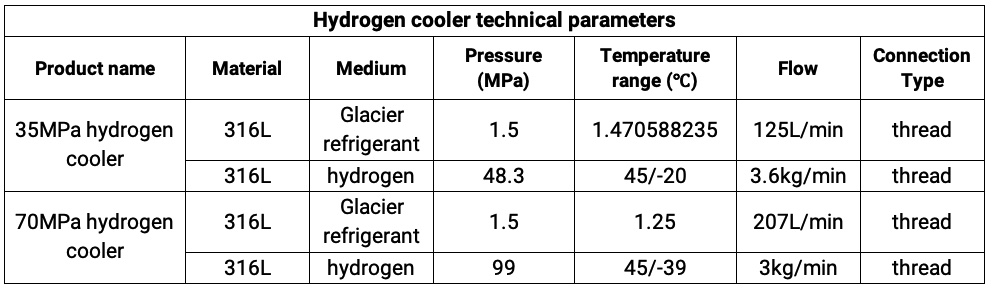
    Commonly used hydrogenation machines are divided into two types: 70MPa and 35MPa, hydrogen-antifreeze coolers for hydrogenation machines (corresponding to 35MPa and 70MPa hydrogenation machines):